




I’ve had these drawings uploaded for a while, I just never got around to posting them. These are various creatures from Norwegian folklore… there are lots of fascinating creatures here.
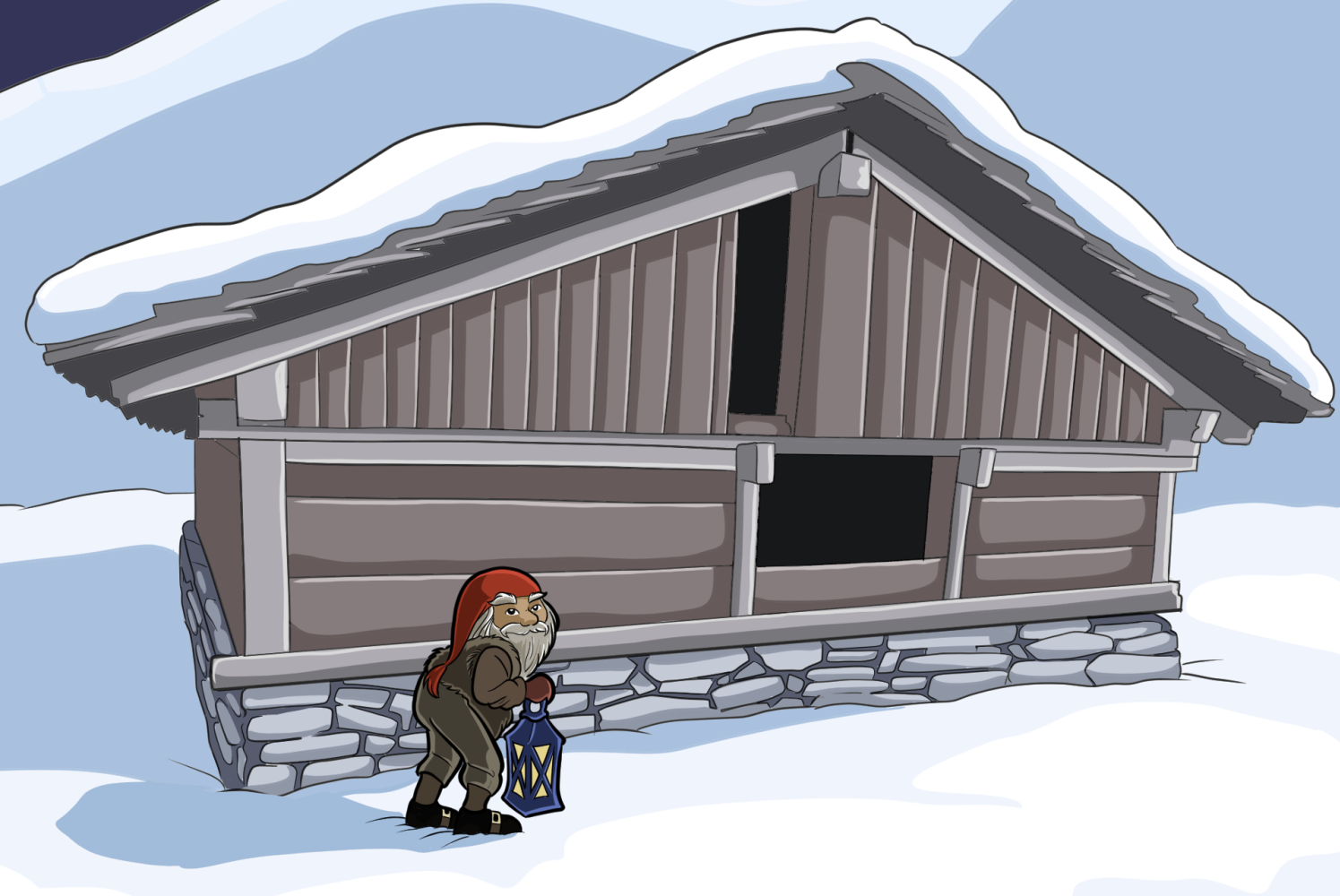
Nisse:
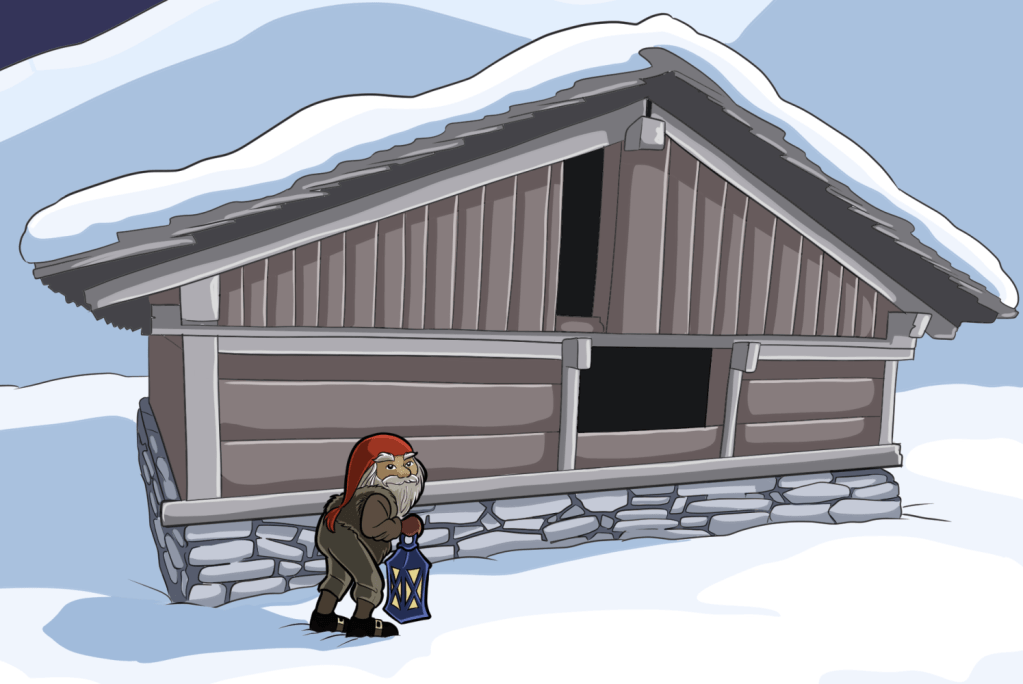
One of the most beloved creatures in Norway, a Nisse can be found pretty much anywhere but most traditionally on farms. He (it’s usually a he) is kind of like a gnome or a brownie who helps out on the farm, looks after the animals and makes sure the harvest is good… long as he’s not mistreated. If he gets angry he can get dangerous. Nowadays the Nisse is mostly seen on Christmas cards and kids’ stories in December.

Fossegrim:
He lives in waterfalls and plays the fiddle. He can sometimes use the fiddle to play enchanted music and lure people to their watery graves, but he’s actually more known as a music teacher. According to the story, if you pay him with a leg of lamb or cured ham, he’ll teach you to play the fiddle, and that you’ll never become a true master fiddler unless the Fossegrim has taught you. But don’t skimp on the payment; if the lamb or ham isn’t big enough the Fossegrim may very well not teach you everything.

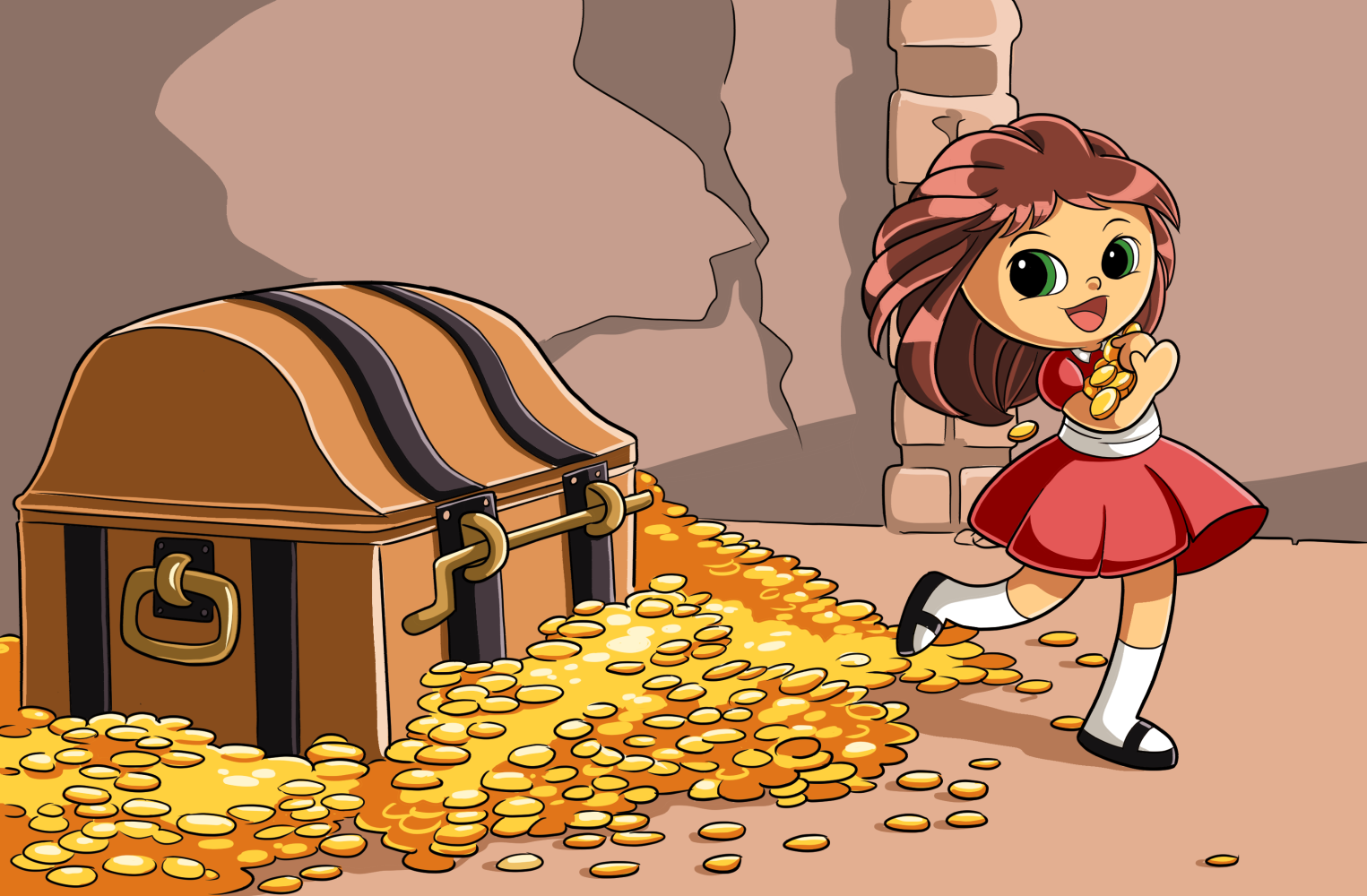
Dradokke:
Or “drag-doll.” A curious little doll that can be found in many rich people’s houses. It’s said that no one who owns a Dragdoll will ever lack for money or wealth… though this is because the doll goes out at night and steals money and riches. If you’re lucky she knows about some hidden treasure or something, and takes the money from there… if you’re unlucky she steals from your neighbors.
Huldra:
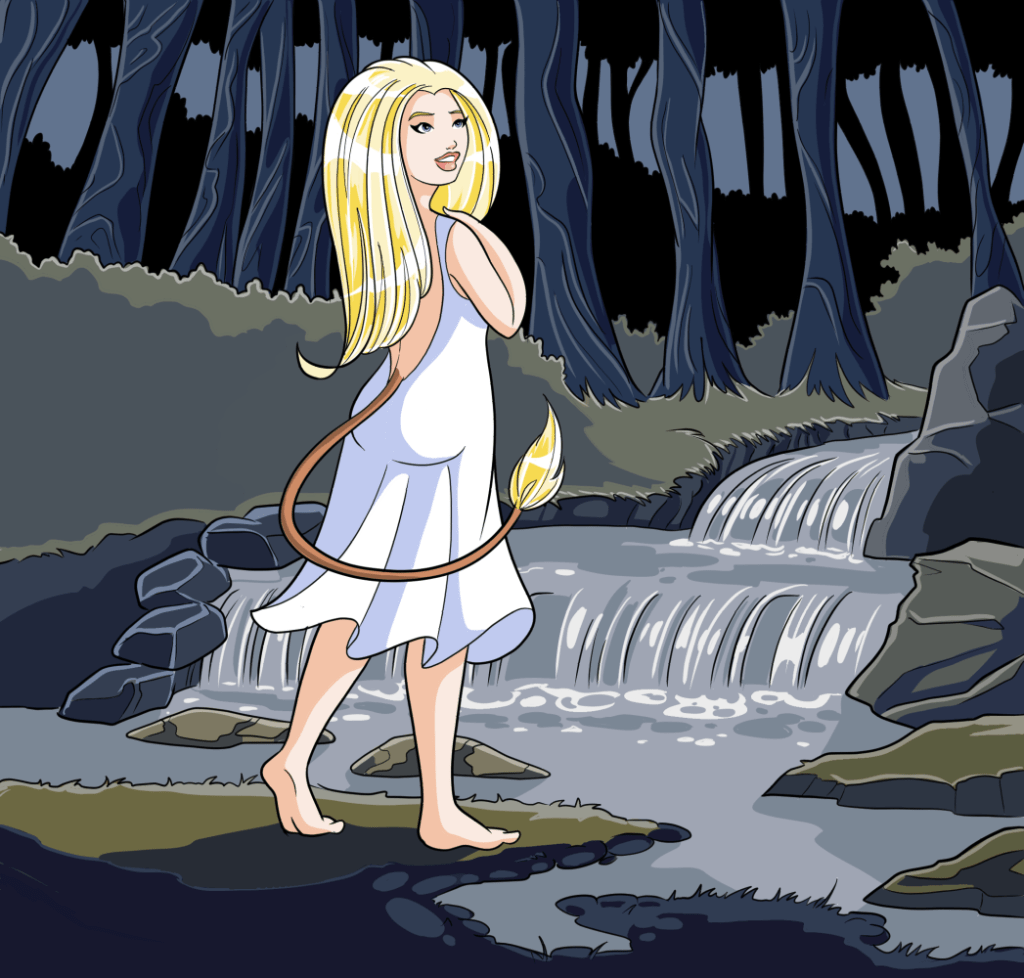
A beautiful woman who roams around the forest and sings the prettiest songs. She looks completely human, except for the fact that she has the tail of a cow. Mostly she’s depicted as a dangerous temptress who lures people deeper into the forest with her enchanting song, and then takes them to her home underground where they’ll stay forever. However, there are plenty of stories where she’s depicted more positively; if you’re polite to her she can be kind and generous, and she’s a friend to coal-burners, often watching the fire while the coal-burner sleeps. A curious addition is that if the Huldra marries a human man, in a human church, her tail will fall off and she’ll become human – except she’ll keep her supernatural strength, so the husband had better be good to her. (Her Swedish cousin, the skogsrå, has a hollow back and looks like a hollowed-out tree from behind.)
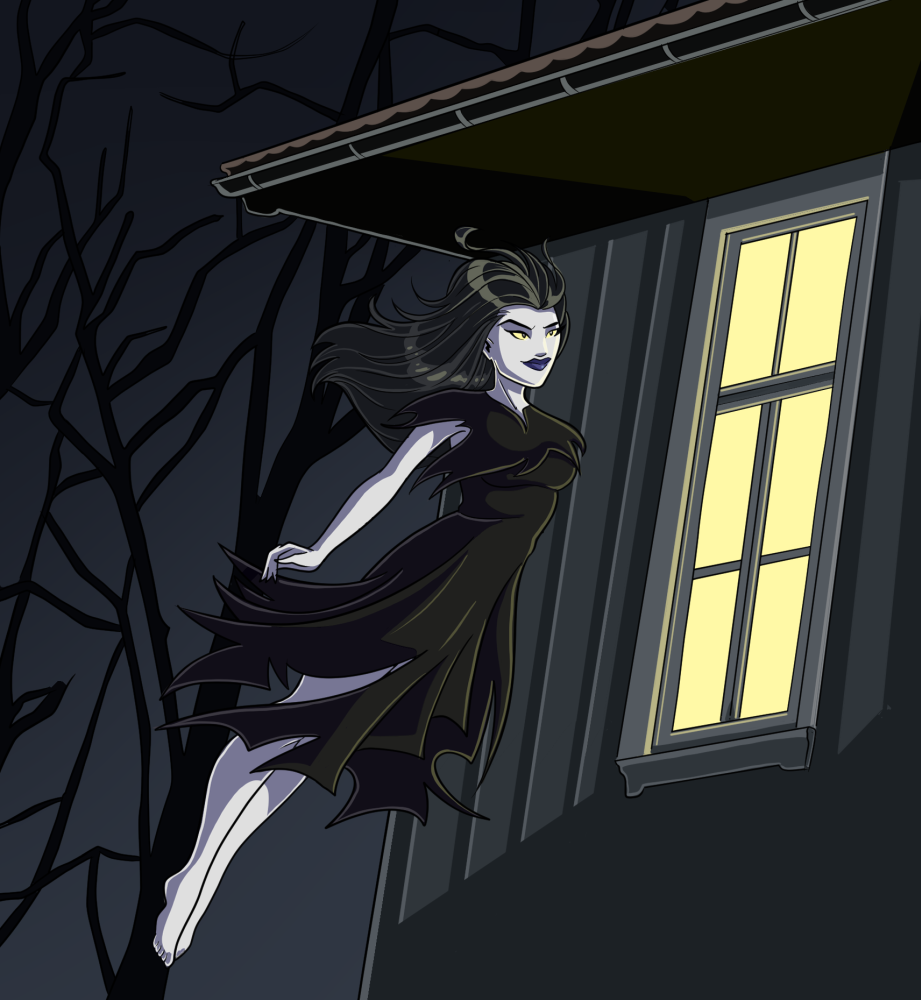
Mara:
The Mara, or Mare, is a female spirit or demonic creature who flies around in the dark of night, seeking out sleeping people. When she finds them, she sits on their chest and “rides” them to make them have terrible dreams. This is where the Norwegian term for nightmares, “mareritt” (“mare-ride”) comes from. Just where the Mara comes from depends on who you ask; some say that an unmarried women who dies becomes a Mara, or a young girl might turn into a a Mara out of jealousy… or, possibly the weirdest one of them all, if a birth went too easily and didn’t involve enough pain, then the baby would grow up to be a werewolf if it was a boy, or a Mara if it was a girl. You sort of suspect that this particular story is born out of pettiness…
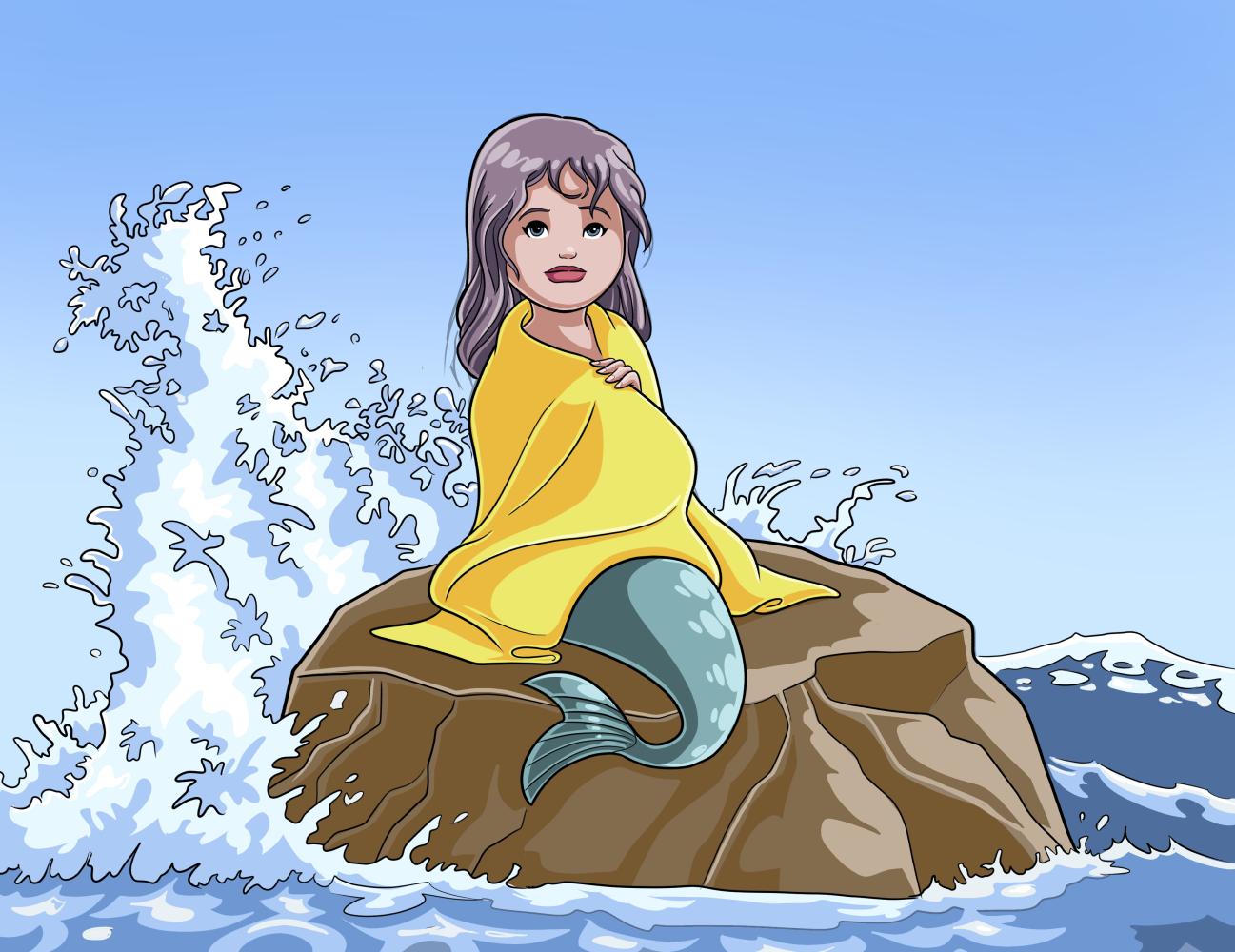
Marmennil:
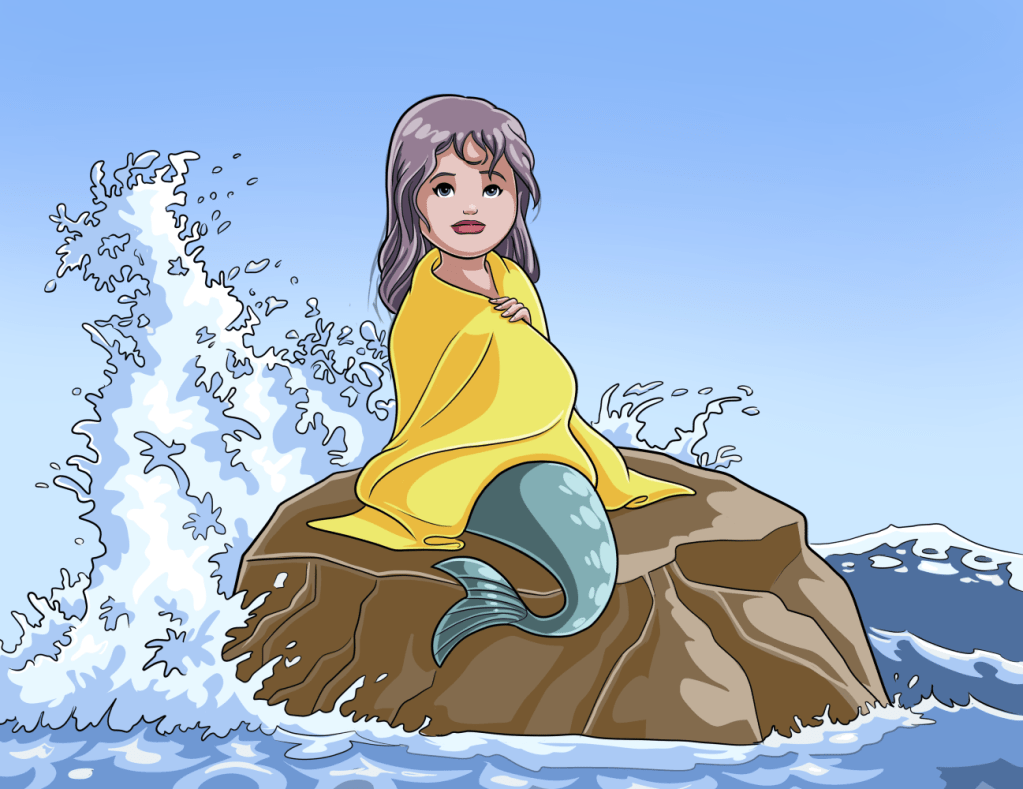
Also known as a “Marmæle.” These creatures are a lot more charming. A Marmennil is like a mermaid or merman, with the fish-tail and all, but is much smaller and looks like a child – and unlike many other floklore creatures, the Marmennil doesn’t mind humans and is usually friendly. Sometimes a fisherman might accidentally catch a Marmennil, but the Marmennil is happy enough to sit in the boat for a while, at least if the fisherman lends them some warm clothes, because Marmennils get cold when they’re out of the water. Marmennils are also so clever that they can answer any question you care to ask, including about the future.
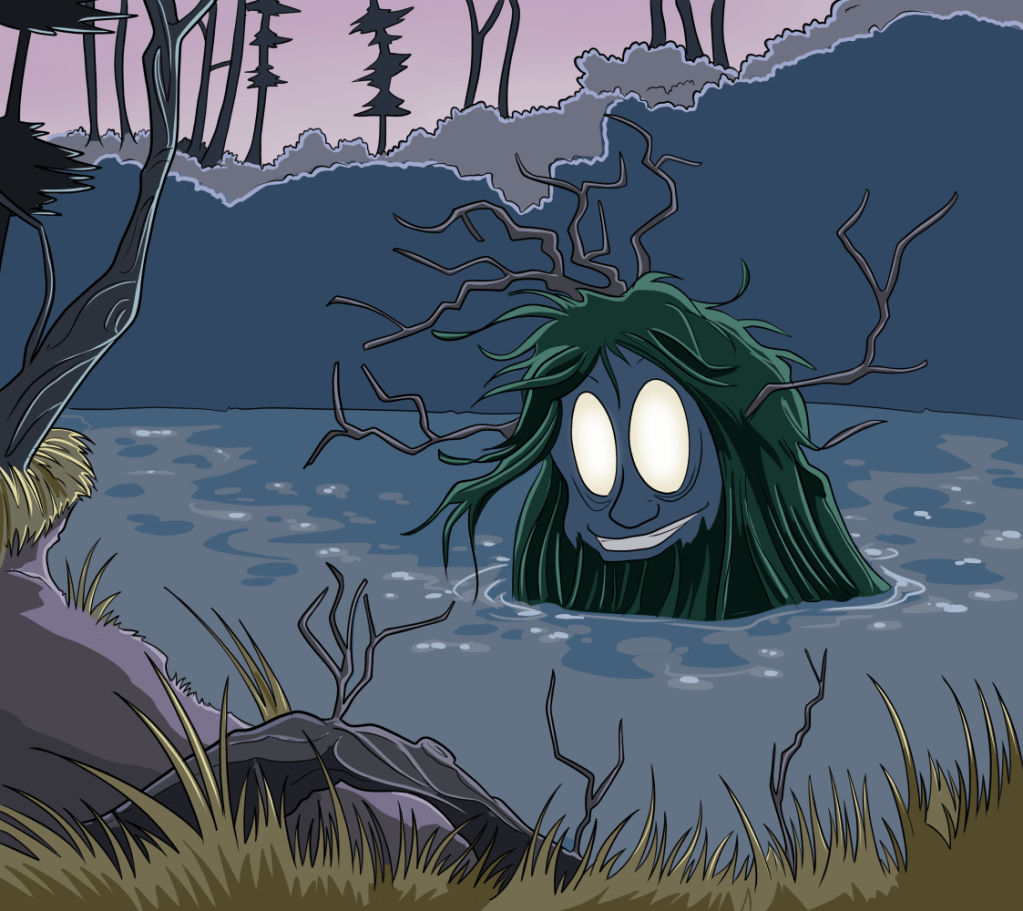
Nøkken:
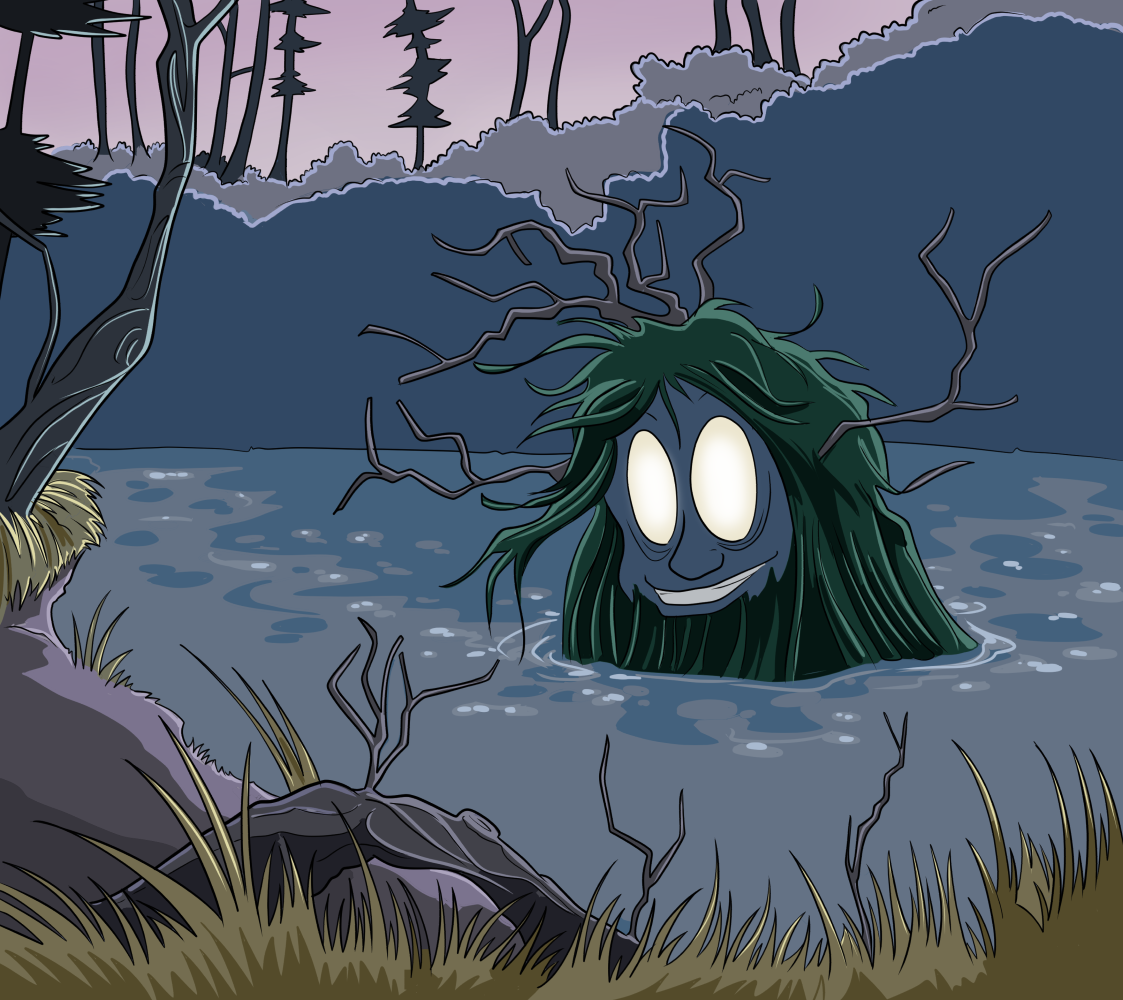
Few creatures in the Norwegian folklore are as feared as Nøkken, or the Nix, a close relative of the Scottish Kelpie. He lurks in forest lakes and is ready to lure you into the water, and drag you under until you drown. Sometimes he might, like the Fossegrim, play the fiddle, but unlike the Fossegrim he’s not interested in teaching. Sometimes, if he moves up on try land, he takes the form of a beautiful white horse that tries to get humans to ride it… whereupon it instantly runs back to the water with them for some drowning.
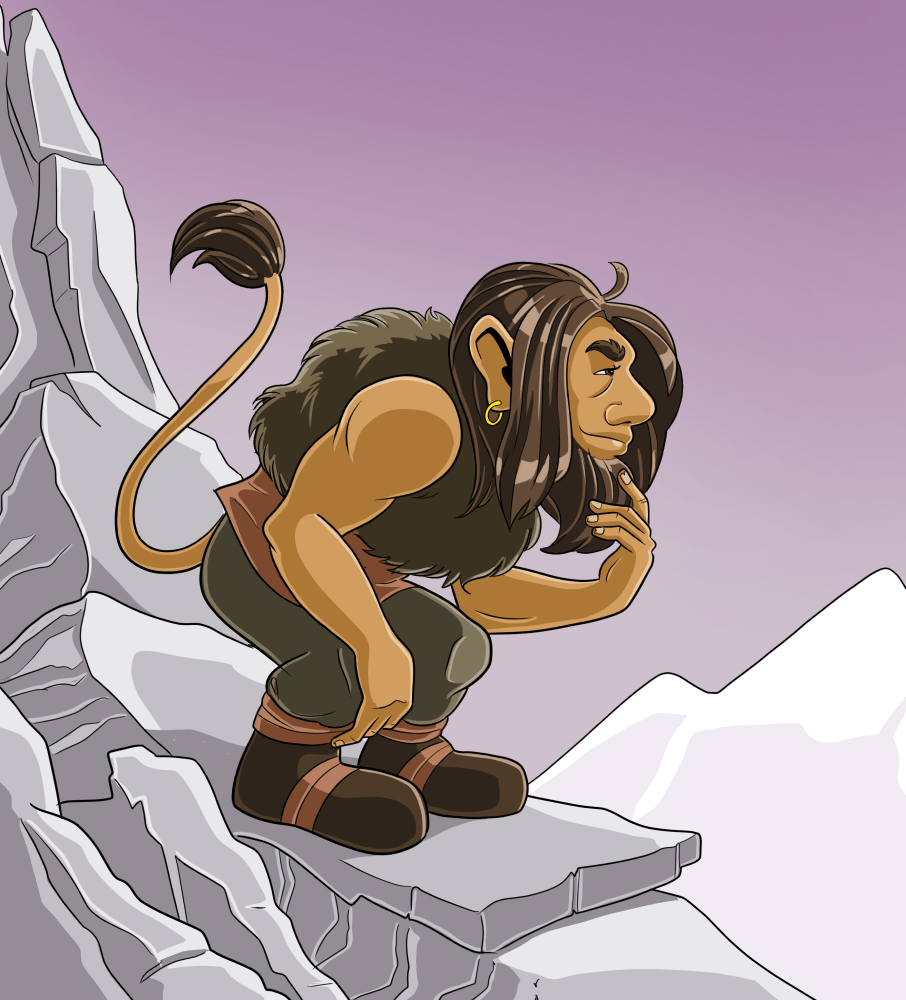
Troll:
Trolls are everywhere in the Norwegian folklore. They usually live in forests or mountains, and are usually huge, nasty and rather stupid. You do occasionally encounter a troll who’s clever or friendly, but for the most part these are the antagonists of every story. A lot of stories say that trolls can’t handle sunlight and will either explode or turn to stone if the sun shines on them, but this is by no means a universal trait and you often get stories where trolls wander around in the daytime with no problems.

Trollkatt:
The Trollkatt isn’t a normal cat. It’s a big, shaggy cat with one yellow eye and one blue eye, but it can also take the same of a gray ball of yarn that rolls around on its own. A Trollkatt is usually in service of a witch and might even have been created by that witch as her helper and familiar; in fact, there’s several “recipes” out there that tells you how to create a Trollkatt. A witch who has created a Trollkatt has a completely loyal servant, but the backside is that their life force is shared; if one of them gets hurt the other will get hurt too. Like a Dradokke, a Trollkatt might go around and steal stuff for its mistress, but the Trollkatt usually steals milk and not money.
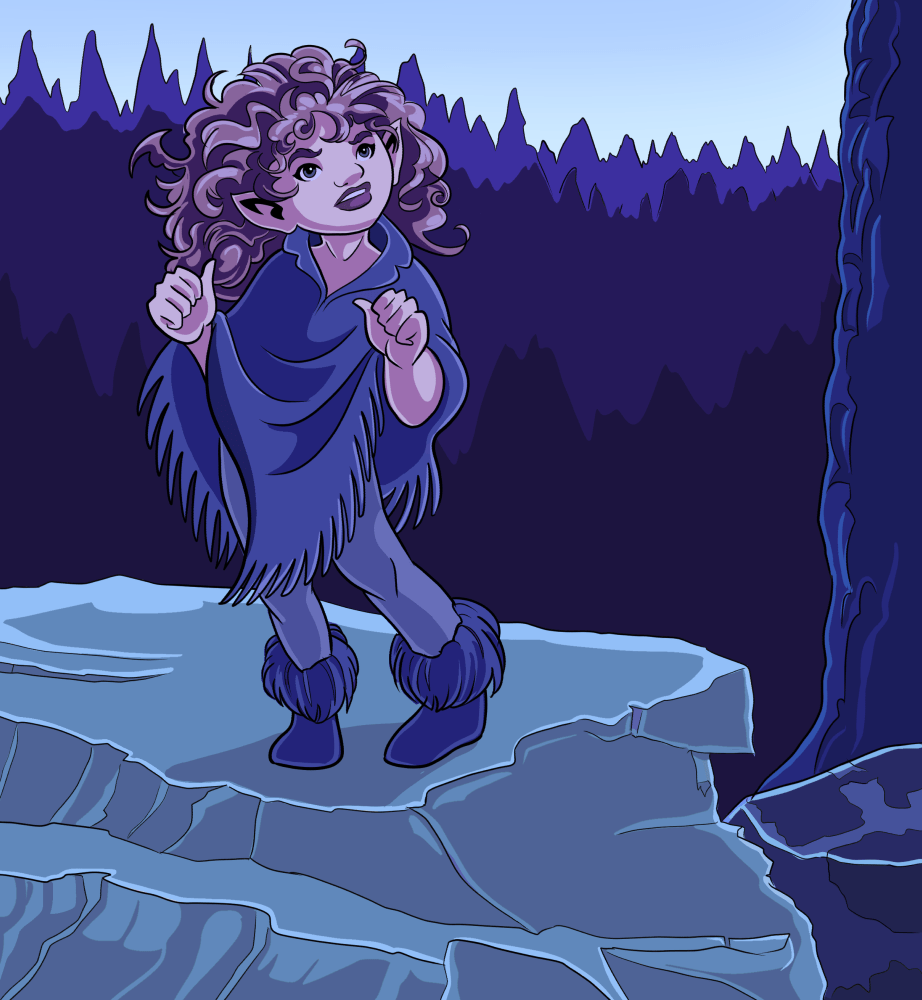
Tusse:
Finally, the Tusse-people, also known as Underjordiske (“Undergrounders”) are a hidden people who live underground and only come above ground in twilight. There are several kinds of Tusse (you could say the Huldra is a variant of them) but they tend to be small and dressed in gray clothes. Underground they live almost like people do above ground; they have their own farms and houses and even castles, and are said to have plenty of gold and riches as well, While they can be spiteful and dangerous, they aren’t always; quite often they can be reasoned with if you’re polite.


 Simply Day Robyn
Leave a comment